Lichen on Roof Tiles: Why Moss, Mould and Lichen Grow on Illawarra Roofs
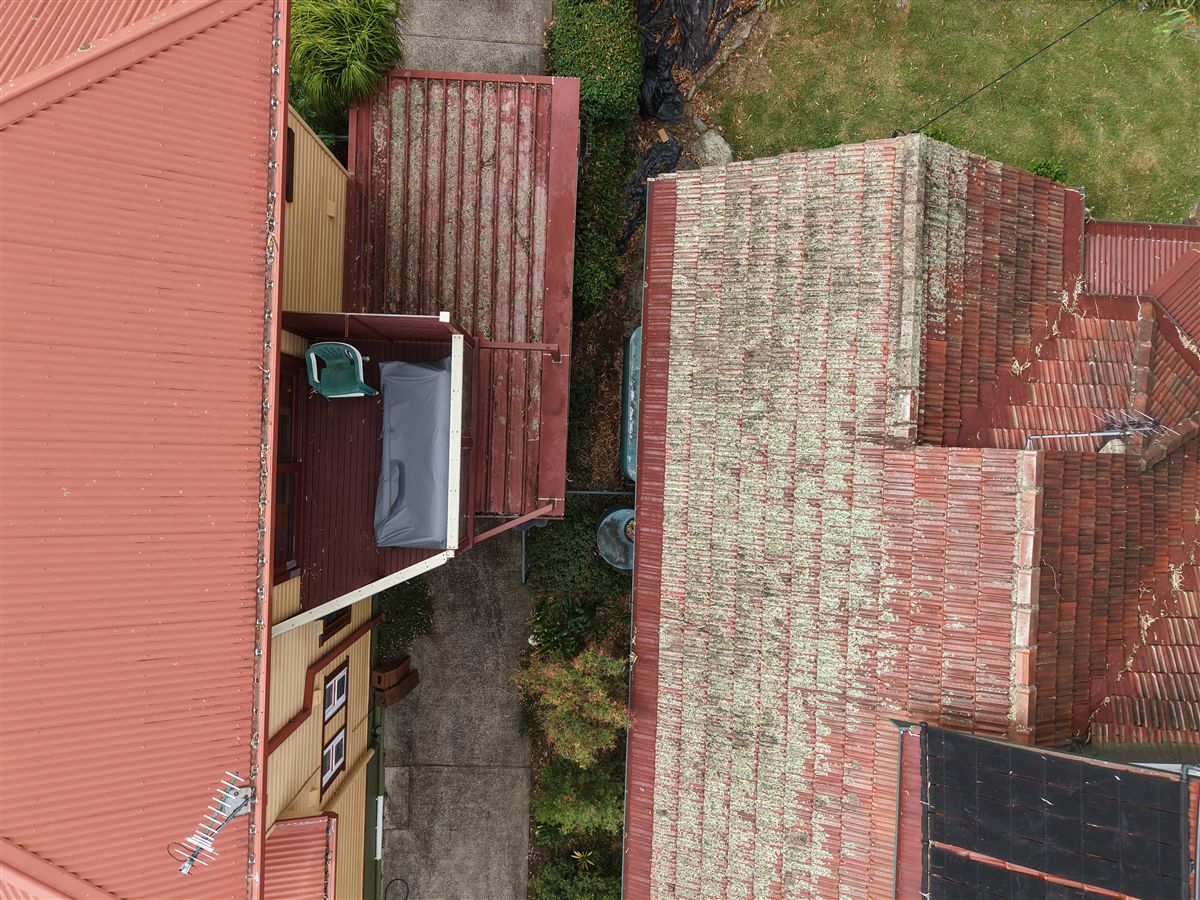
Lichen on roof tiles shows up as orange, grey and pale green patches, and it is not just dirt. Lichen, moss and mould are living growth, and the Illawarra’s mix of coastal humidity, regular rain and shade from the escarpment and big trees makes it an ideal place for them to grow.
Lichen, moss or mould: know what you are looking at
- Lichen forms crusty, round patches, often orange, yellow, grey or pale green. It is very common on terracotta and concrete tiles, and on solar hot water panels.
- Moss is soft and green, and grows in thicker clumps, often along tile edges, ridges and the shaded side of the roof.
- Mould and black staining show as dark streaks, often running down from the ridge or under trees.
Why Illawarra roofs are prone to lichen and moss
- Shade. Homes under the escarpment, from Thirroul and Austinmer to Mount Keira and Figtree, get less direct sun, so roofs stay damp for longer.
- Trees. Overhanging branches drop leaves and keep the roof shaded and wet.
- Coastal humidity and rain. Moisture in the air helps growth take hold.
- Roof material. Porous tiles hold moisture longer than smooth surfaces.
Why lichen on roof tiles is worth treating
Moss and lichen hold moisture against the roof surface. Over time that can wear coatings, break down mortar and speed up the deterioration of the roof. Moss can also wash into gutters and downpipes and block them. Then there is the look: a roof covered in lichen makes even a well-kept home look neglected, which matters if you are selling or repainting.
Why you shouldn’t scrape or blast it off
Aggressive removal, like scraping or high-pressure blasting, can damage tiles and coatings. Our guide to roof soft washing vs pressure washing explains why.
How IMG treats moss, mould and lichen
Illawarra Maintenance Group treats mould and organic staining with a sodium hypochlorite-based wash, and applies a biocide where needed that keeps working on moss and lichen after we leave. Treatment is matched to the surface and the type of growth.
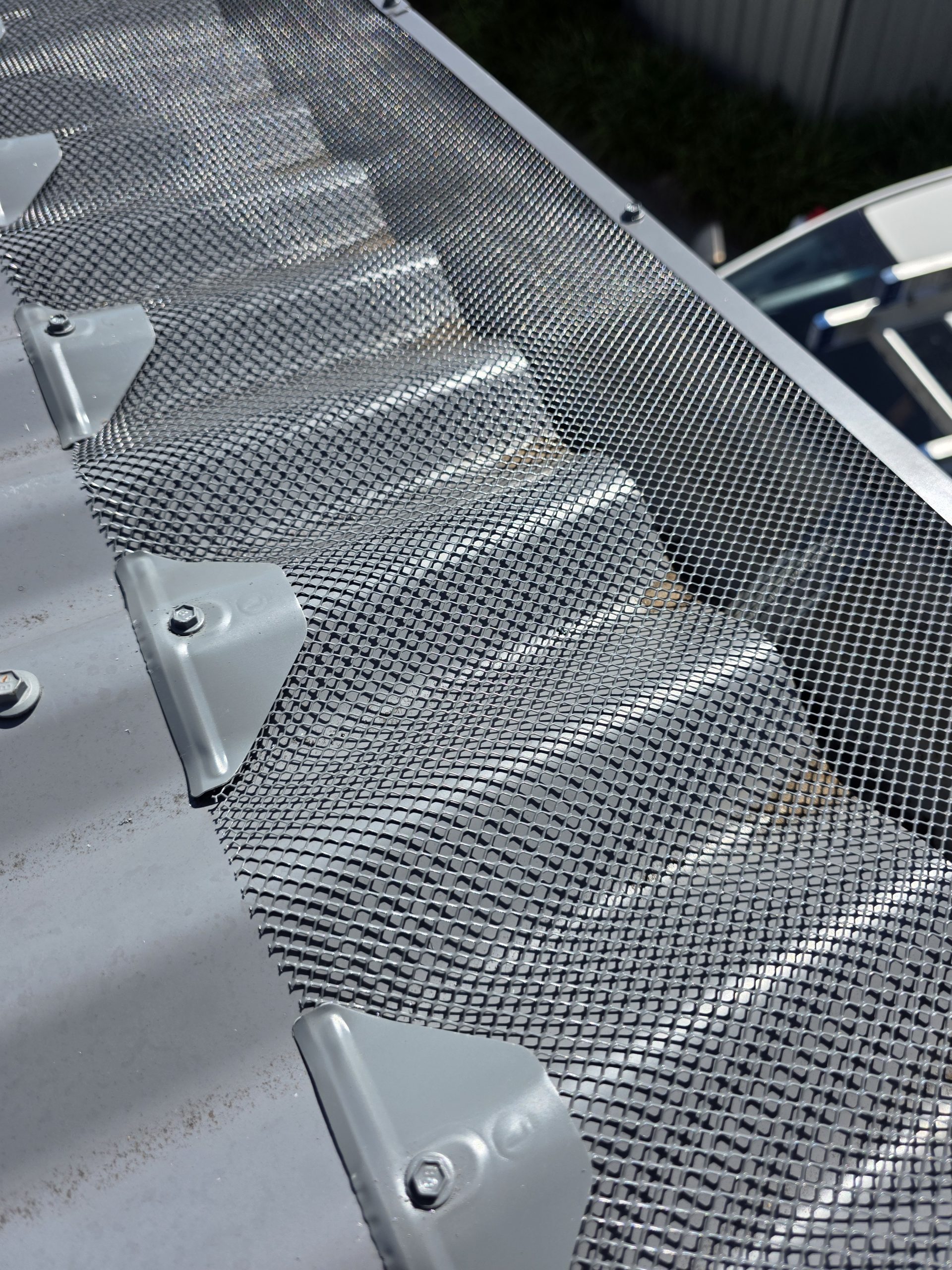
Before treatment, downpipes feeding a rainwater tank are disconnected or diverted, and nearby plants are wet down and rinsed. Gutters, landscaping and nearby surfaces are protected.
How long lichen treatment takes to work
Mould and staining clear on the day. Lichen dies quickly, but takes several weeks to a few months to fully break down and wash away with rain. Because the conditions that grew it are still there, some regrowth is possible over time. Treatment slows it right down, and a light re-treatment every two to three years keeps it in check.
Not just roofs
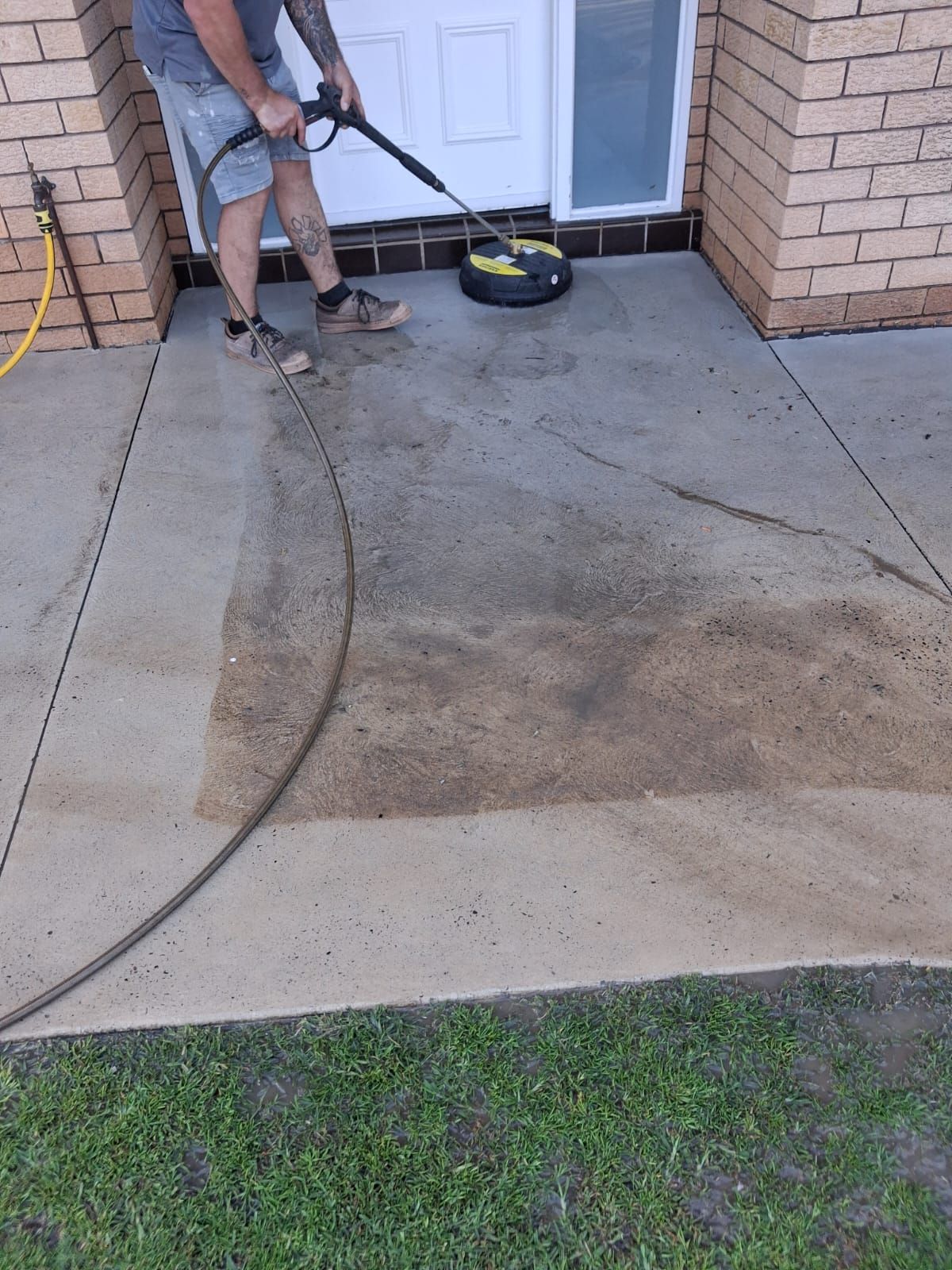
The same growth turns up on paths, driveways, walls and solar panels. See driveway and path pressure washing and how often to clean solar panels.
Frequently asked questions
Does lichen damage roof tiles?
Lichen and moss hold moisture against the tiles, which over time can wear coatings and break down mortar.
Why is the lichen still there after treatment?
Lichen dies quickly but takes several weeks to a few months to break down and wash away with rain. That is normal.
Will it come back?
Some regrowth is possible because the shade and moisture are still there. A light re-treatment every two to three years keeps it in check.
Get a free quote
Read more on our moss, mould and lichen treatment and roof washing pages. IMG is a local, family-owned team, fully licensed and insured.
Call 0411 389 184 or request a free quote and we will be in touch.