Winter Roof Maintenance Guide for Illawarra, South Coast and Southern Highlands Homes

Winter where we live in the Illawarra, South Coast and Southern Highlands isn’t gentle on your roof.
Between persistent rainfall, strong coastal winds and cool, damp conditions, small roofing issues can quickly turn into expensive problems. What might be a minor crack or partial blockage in summer can become a leak, overflow or internal water stain by July.
The good news? A simple pre-winter maintenance check can prevent most of it.
Here’s what Illawarra homeowners should be doing before and during winter.
Why Winter Is Tough on Your Roof
Unlike the quick, heavy downpours we get in summer, winter rain tends to be steady and prolonged. That constant moisture exposure creates several risks:
- Gutters stay wet for longer
- Moss and lichen thrive
- Small leaks worsen
- Debris remains damp and heavy
- Coastal salt accelerates corrosion
Roofs don’t usually fail suddenly – they deteriorate gradually. Winter simply exposes the weak points.
Your Pre-Winter Roof Maintenance Checklist
If you do nothing else before winter, run through this checklist.
1. Clear Your Gutters
Blocked gutters are the number one cause of winter roof problems.
When gutters can’t drain properly, water backs up under roof edges, overflows into wall cavities and damages fascia boards.
Even if you cleaned them in autumn, check again before the heaviest rain sets in.
If you find yourself cleaning multiple times per year, it may be worth considering a gutter protection system to reduce ongoing maintenance.
2. Inspect for Broken or Dislodged Tiles
Tile roofs are common across Wollongong and Shellharbour. Over time:
- Tiles can crack
- Ridge capping can shift
- Mortar can deteriorate
A single cracked tile may not seem urgent – but during consistent rainfall, it can allow moisture to penetrate the underlay and roof cavity.
3. Check Flashings and Valleys
Roof valleys handle a large volume of water during storms. Debris commonly collects here.
Metal flashings around chimneys, skylights and roof joins should also be checked for:
- Lifting edges
- Rust
- Sealant breakdown
These are common winter leak points.
4. Remove Moss, Lichen and Build-Up
Cool, damp conditions are ideal for moss growth.
Moss retains moisture against the roof surface, which can:
- Accelerate tile deterioration
- Lift tiles slightly
- Contribute to slow leaks
Professional roof cleaning before winter helps extend roof lifespan and improve drainage.
5. Check Downpipes for Blockages
Even if gutters look clear, downpipes can still be blocked.
Signs include:
- Overflow at gutter corners
- Water pooling at the base of the home
- Slow drainage during rainfall
Blocked downpipes put pressure on the entire gutter system.
Common Winter Roof Problems in the Illawarra
Across the South Coast, these are the most frequent winter issues homeowners experience:
Overflowing Gutters
Often caused by partial blockages rather than complete clogging.
Ceiling Stains
Usually the result of minor flashing issues or backed-up gutters.
Rusting Metal Roof Sections
Coastal exposure combined with trapped moisture accelerates corrosion.
Damp Smells in Roof Cavities
Poor ventilation and prolonged moisture exposure.
Most of these start small. Winter simply makes them visible.
Should You Install Gutter Guard Before Winter?
If your gutters frequently block during storms, winter is when that problem becomes obvious.
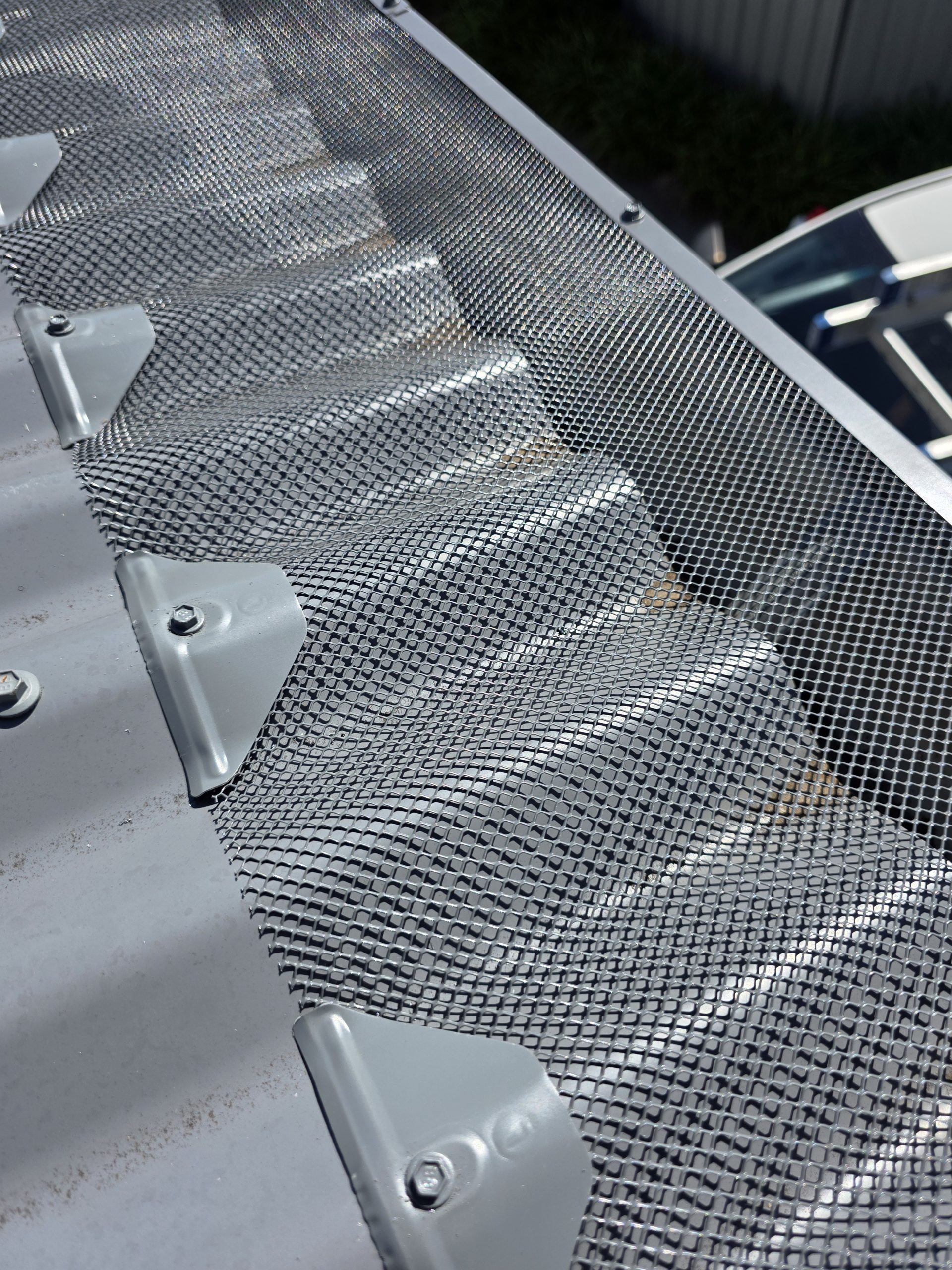
A professionally installed system can:
- Reduce debris build-up
- Improve water flow during heavy rain
- Minimise emergency call-outs
- Reduce fire risk heading into bushfire season
It won’t eliminate maintenance entirely, but it significantly reduces how often your gutters need attention.
For many Illawarra homes surrounded by trees, installing protection before winter prevents the stress of mid-storm overflows.
DIY vs Professional Roof Maintenance
Some checks can be done safely from the ground. However, climbing onto roofs carries significant risk.
Professional inspections provide:
- Safe access
- Thorough assessment of tiles and flashings
- Early identification of hidden issues
- Proper debris removal
- Advice on long-term protection
Winter conditions also make roofs slippery and dangerous. Prevention is always safer than reactive repair during heavy rain.
A Simple Winter Plan for Homeowners
If you want a practical approach:
- Inspect gutters and downpipes before winter begins
- Book roof cleaning if moss or build-up is visible
- Check ceilings for existing water stains
- Consider gutter protection if cleaning is becoming frequent
- Schedule a professional inspection every 1–2 years
Roof maintenance doesn’t need to be complicated. It just needs to be consistent.
The Bottom Line
Winter doesn’t create roof problems – it exposes them.
A small crack, minor blockage or slight flashing issue can remain unnoticed for months. Then steady winter rain reveals it quickly.
By preparing early, you can:
- Avoid emergency repairs
- Protect your home’s structure
- Extend the lifespan of your roof
- Reduce ongoing maintenance stress
If you’re unsure about your roof’s condition heading into winter, a professional assessment can provide clarity before the heavy rain sets in.
FAQs
When should I prepare my roof for winter?
Ideally in late autumn, before consistent rainfall begins. However, it’s never too late to inspect and address visible issues.
How do I know if my roof has a leak?
Common signs include ceiling stains, damp insulation, mould smells, or visible water marks in roof cavities.
Is roof cleaning necessary before winter?
If moss, lichen or heavy debris build-up is present, cleaning helps prevent moisture retention and drainage issues.
How often should I inspect my roof?
Most homes benefit from a professional inspection every one to two years, or sooner if issues are suspected.
Does gutter guard help during winter?
Yes. A quality system reduces debris accumulation, improves water flow during heavy rain and minimises blockages.